

Why Geotechnical Investigations Are More Important Than Ever in Modern Construction
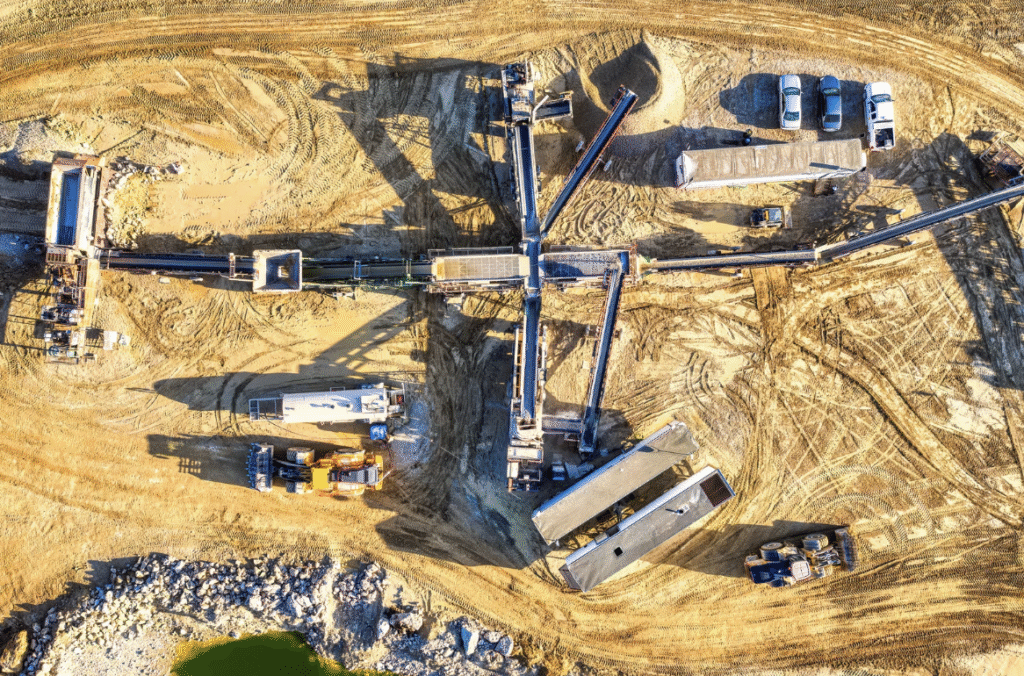
Every successful building project starts with what lies beneath the ground. In recent years the importance of geotechnical investigations has increased as developments become larger, heavier and more complex. With tighter land availability in cities and more projects being built on difficult ground conditions, understanding soil and rock behaviour is now critical for both safety […]
How Groundwater Impacts Basement Construction and What Developers Need to Know
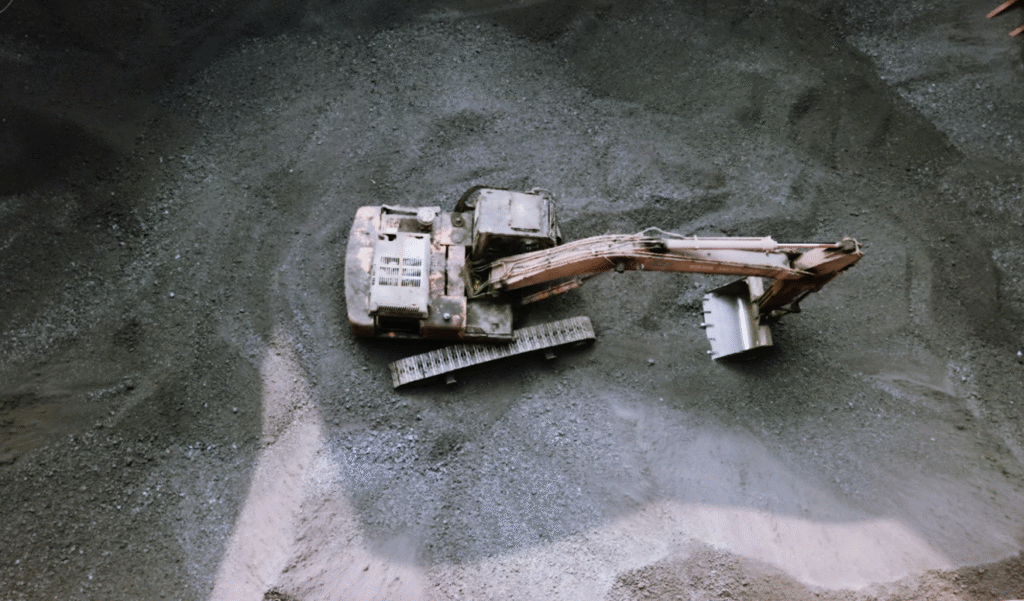
Groundwater is one of the most underestimated risks in construction projects. It can appear harmless during early site inspections yet become a major problem once excavation begins. For projects that include basements, understanding groundwater behaviour is essential. When groundwater is present it can cause instability in excavations, uplift pressure beneath slabs and seepage through retaining […]
Why Contaminated Land Is Becoming a Bigger Issue for Urban Development
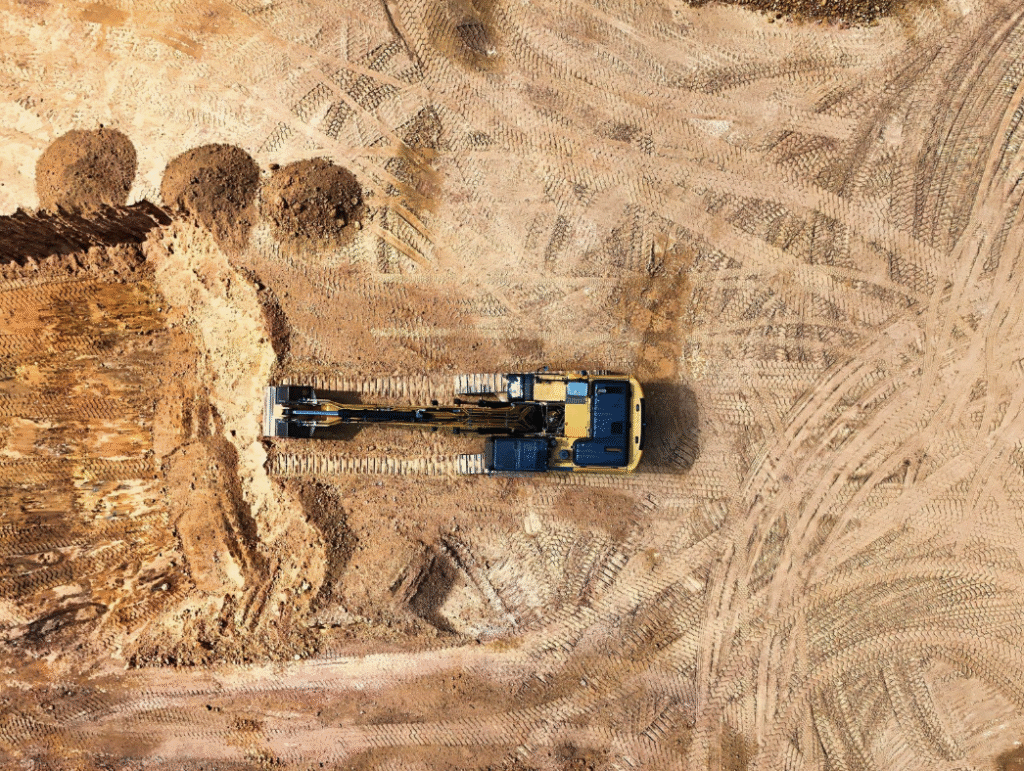
As cities expand many new developments are being built on land that was previously used for industrial or commercial purposes. These sites often contain contaminants such as hydrocarbons, heavy metals or asbestos. Without proper assessment and management these substances can pose serious health and environmental risks. Environmental engineering investigations identify the type and extent of […]
How A Change in Climate Is Affecting Ground Conditions in Australia
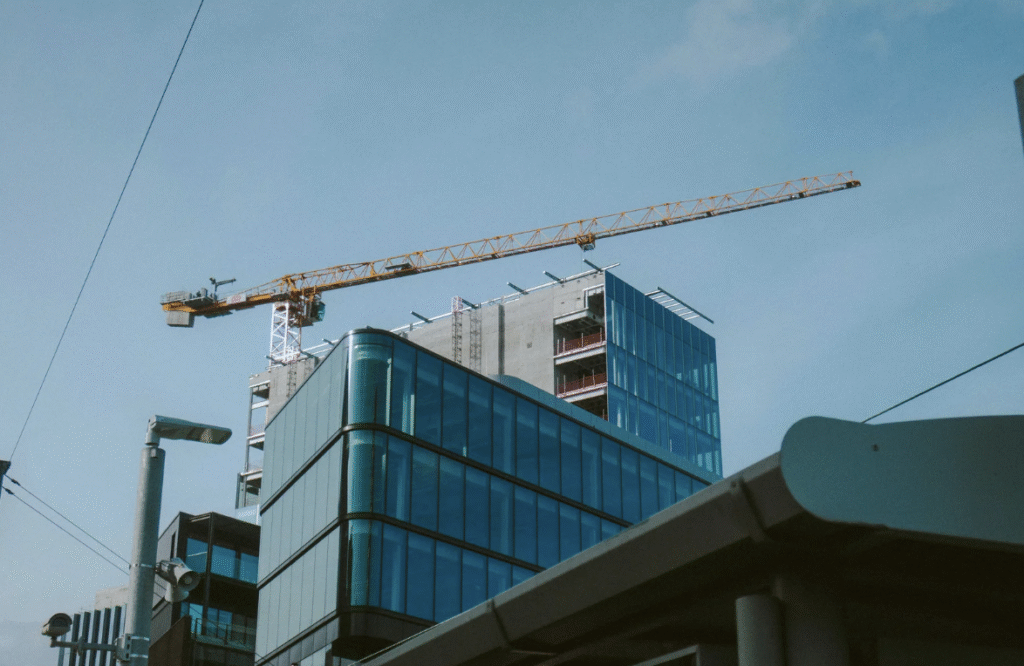
A change in climate is not only impacting weather patterns but also the behaviour of soil and groundwater. Increased rainfall intensity, longer droughts and rising groundwater levels are all affecting how the ground responds to construction and development. Soils that were previously stable can become more reactive due to changes in moisture content. This can […]
The Role of Environmental Engineering in Sustainable Construction

Sustainability is now a major focus across the construction industry. Environmental engineers play a key role in helping projects meet sustainability targets while complying with regulations. Environmental assessments evaluate impacts on soil, water, air quality and ecosystems. They also identify opportunities to reduce waste, reuse materials and minimise environmental footprints. For example soil from excavation […]
Why Early Engineering Advice Saves Millions on Construction Projects

One of the biggest mistakes in development is delaying geotechnical and environmental investigations until after design has begun. Early engineering input allows risks to be identified and managed before they become expensive problems. When engineers understand the ground conditions and environmental constraints early they can work with architects and planners to create designs that suit […]
How Geotechnical Engineering Reduces Construction Risk and Insurance Claims

Construction projects involve significant financial and safety risks. One of the most effective ways to reduce those risks is through proper geotechnical engineering. When soil and rock conditions are poorly understood, unexpected problems such as foundation movement, cracking or water ingress can occur. These issues often lead to costly rectification works, disputes and insurance claims. […]
Why Environmental Compliance Is Critical for Project Approvals in Australia

Environmental compliance is now one of the most important parts of gaining approval for development projects in Australia. Government agencies require detailed assessments to ensure that construction will not harm soil, water, air quality or surrounding communities. Environmental engineers prepare reports that identify potential impacts and recommend ways to manage them. This includes dealing with […]